Begin with facts
Preparing a home for sale can become expensive when every suggestion sounds urgent. Start with facts instead. Walk through the home with a notebook and record safety issues, active leaks, access problems, visible damage, system age, and improvements that may have supporting paperwork. Separate work that protects the home from work that only changes style.
If documents contain personal details, remove or cover those details before creating a general file. A future buyer may need the year of an improvement, the type of material, or the name of a system; they do not need private account numbers, signatures, or old contact records. A clean document set builds confidence without publishing a person’s information.
Use a four-week rhythm
A short schedule helps keep decisions proportionate. In week one, collect records and create a repair list. In week two, handle water, safety, access, and maintenance issues that could interrupt a viewing. In week three, edit the rooms, improve light, clean surfaces, and decide which practical details a photograph should show. In week four, review the budget and ask a qualified professional to confirm the market strategy.
The sequence is flexible. If the home needs a specialist, book that early. If a repair is uncertain, get a written opinion before choosing a cosmetic project. The point is not to finish everything. The point is to spend attention where it changes safety, clarity, or a buyer’s ability to understand the home.
Keep the improvements readable
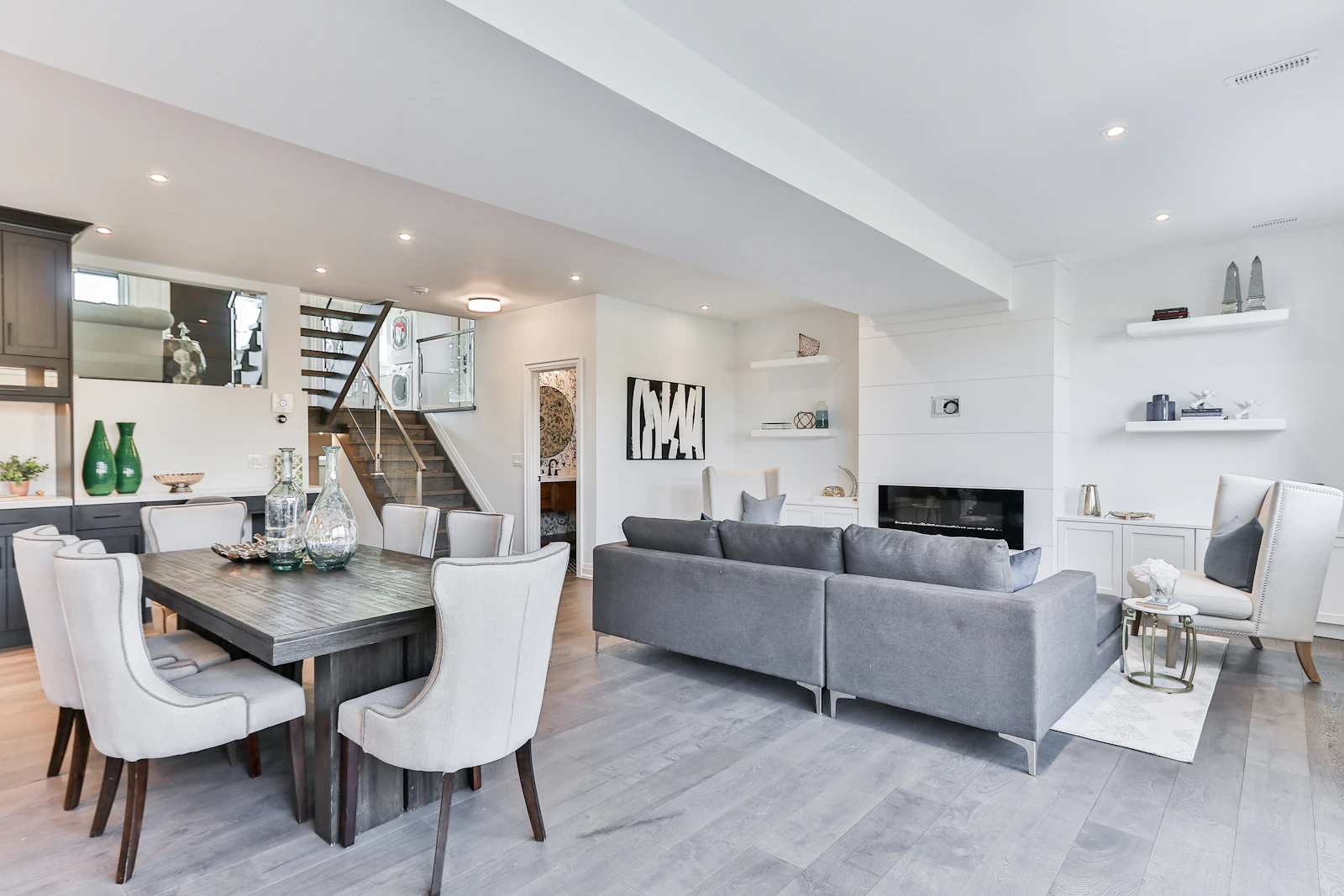
A well-prepared room gives the eye a clear path. Remove items that block doors, windows, storage, or circulation. Group daily objects so the layout is easy to see. Replace failed bulbs, clean windows where practical, and keep outdoor paths clear. These changes are modest, but they help a viewer understand how the space works instead of trying to see through clutter.
Be honest about condition. Fresh paint can improve a room, but it should not hide a moisture problem. A staged corner may look good, but the full storage capacity and access still matter. Clear representation reduces the chance that a later inspection reveals a surprise that could have been discussed at the beginning.
Plan photos and viewings together
Photography should support the viewing, not create a different home. Choose a small set of images that show the exterior, main living area, kitchen, bedroom scale, storage, and any feature that matters to the decision. Keep the camera level, remove personal papers, and avoid showing faces, documents, or identifying details. Local, relevant images are useful when they represent the actual subject.
A viewing plan should answer the questions the photos cannot. How are utilities handled? Who maintains shared areas? What are the rules for parking, pets, additions, or improvements? Which costs are recurring? Prepare a short information sheet so every interested person receives the same neutral facts.
Count the cost before committing
Use a simple table before approving work. For each project, record the estimated cost, the reason for doing it, the risk of leaving it, and whether the work needs approval. This prevents a long list of attractive improvements from consuming the reserve you need for the sale itself. The most valuable work is often the work that removes uncertainty.
Read the seller resources for a four-week summary, then use the property comparison page to see the questions a buyer may ask. The true-cost article is useful when you want to explain why price is only one part of a housing decision.

Keep a simple change log as the work progresses. Note what was repaired, what remains a choice, and which items need a quote or professional confirmation. A short record protects the schedule from becoming a collection of vague promises.
A preparation schedule becomes more reliable when it includes a decision point after each week. Review what changed, what remains uncertain, and whether the next task still supports the wider goal. Keep optional improvements separate from repairs that affect safety, documentation, or a buyer's ability to understand the home. This keeps the work proportional and leaves room for professional advice when a question cannot be answered by appearance alone.