Start outside
The first viewing is not a performance and it is not a test of how quickly you can decide. It is a structured first look. Begin outside and walk the approach to the home as if you already lived there. Is the entry clear? Is parking practical? Can you see signs of standing water, damaged surfaces, loose steps, or access problems? Note what is visible, then save conclusions until you have checked the rest of the home.
Look at the surrounding setting as well. A quiet street, shared road, community entrance, or nearby service can shape the everyday experience. You do not need a perfect impression. You need a list of questions that can be verified later. Take neutral notes such as “ask about drainage near rear corner” instead of writing a final judgment from one glance.
Move room by room
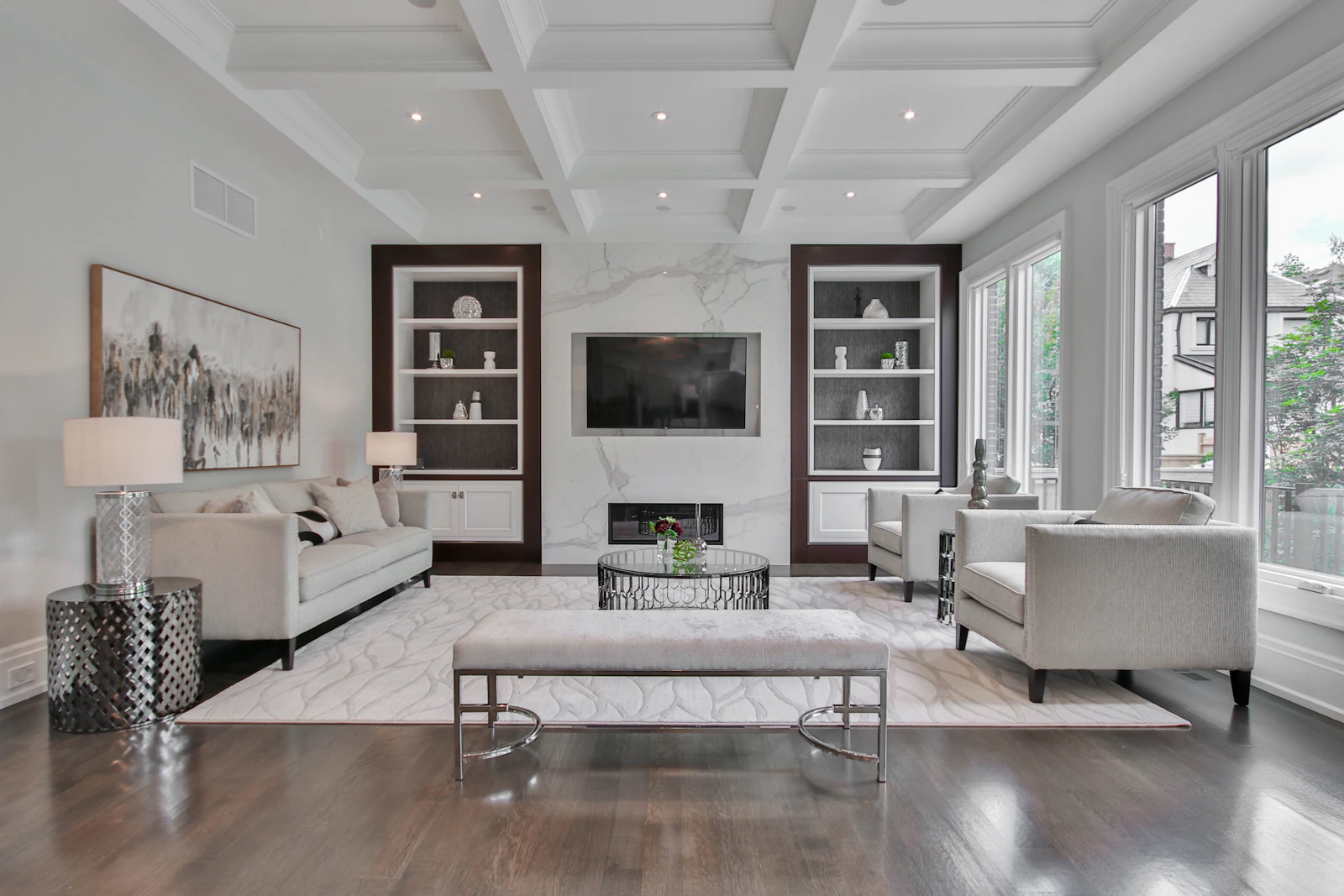
Inside, follow the same route for every property. Start at the entry, then review living spaces, kitchen, bedrooms, bathrooms, storage, and utility areas. Notice natural light, ventilation, layout, floor transitions, window operation, visible water marks, and the condition of doors and cabinets. Test only what you are invited to test and respect the home while you inspect it.
A consistent sequence protects you from the most attractive room dominating your memory. If the kitchen looks beautiful, it is still useful to record storage, appliance age, ventilation, and the condition of the floor. If a room feels small, record what furniture would fit and whether the limitation is temporary or structural.
Separate facts from follow-up
Use three columns in your notes: observed, confirmed, and to verify. “The roof surface looks newer” belongs in observed. “A roof replacement was completed in a stated year” belongs in confirmed only after documentation. “Ask who maintains the shared road” belongs in to verify. This simple distinction makes the next conversation much more precise.
Keep the same categories for fees and rules. Record whether a charge is monthly, annual, estimated, or unknown. Ask which improvements need approval, how parking works, what insurance is available, and whether utilities are billed separately. Community details can change the cost and routine as much as the building itself.
Use a small decision table
After the viewing, score nothing yet. First write three strengths, three concerns, and three unanswered questions. Then compare the notes with your original priorities. A home may be attractive but fail a non-negotiable access need. Another may be less polished but offer a layout that fits your routine and a clearer maintenance history.
For example, imagine two homes with a similar price. One has a newer kitchen but unknown site costs. The other has older finishes but documented improvements and predictable services. The second is not automatically the better choice; it is simply easier to evaluate. Your table should make the missing information visible before an offer or deposit.
Know the next step
A first viewing should end with a next step that matches the level of certainty. That may be a second viewing, a document request, an inspection conversation, a budget review, or a decision to move on. Do not let a deadline create a fact that you have not verified. A calm pause is part of the process.
Use the property comparison guide to organize your shortlist, then compare the result with the buyer resources. If the budget is the open question, read the mortgage planning guide before scheduling a second visit.

A useful viewing note also records the time of day, the people present, and the question that still needs an answer. Those small details make a second visit more comparable and help you explain your thinking without relying on a fading first impression.
Carry the same discipline into a second viewing. Compare the notes with the first visit, mark which answers were confirmed, and look again at any area that was difficult to judge. A short pause can reveal that a concern is easy to solve, that a cost was misunderstood, or that an attractive feature is less important than an everyday need. The goal is not to make a quick impression sound certain; it is to leave with a clearer decision and a smaller list of unknowns.