
Planning a move into manufactured homes or mobile homes is rarely just about the home itself. Manufactured home communities add variables—community rules and regulations, lot rent and site fees, utility setup, and resale conditions—that can matter as much as the floor plan. To make the decision concrete, this editorial home-planning resource follows one practical scenario from “idea” to “offer,” then pulls out buyer resources and seller resources you can apply when comparing homes and communities.
The scenario: a realistic decision with real trade-offs
Meet Jordan and Casey, a couple relocating for work with a tight timeline. They want a comfortable primary residence, not a weekend place, and they’re choosing between three common manufactured housing paths that show up in any property comparison guide:
- Option A: Buy a newer manufactured home in a land-lease community close to work.
- Option B: Buy an older home at a lower price in a community farther out, then renovate gradually.
- Option C: Sell their current mobile home (already owned) and rent in the new city for a year.
They’re trying to avoid “payment shock” after moving in, so they use a home planning checklist to compare total monthly housing cost, community rules and regulations that affect lifestyle (pets, parking, rentals), and the resale outlook if they need to move again in three to five years.
Key insight: the best-looking purchase price can be the most expensive choice once lot rent and site fees, insurance for manufactured homes, and repairs are included.
Comparing home types and what “manufactured” really means
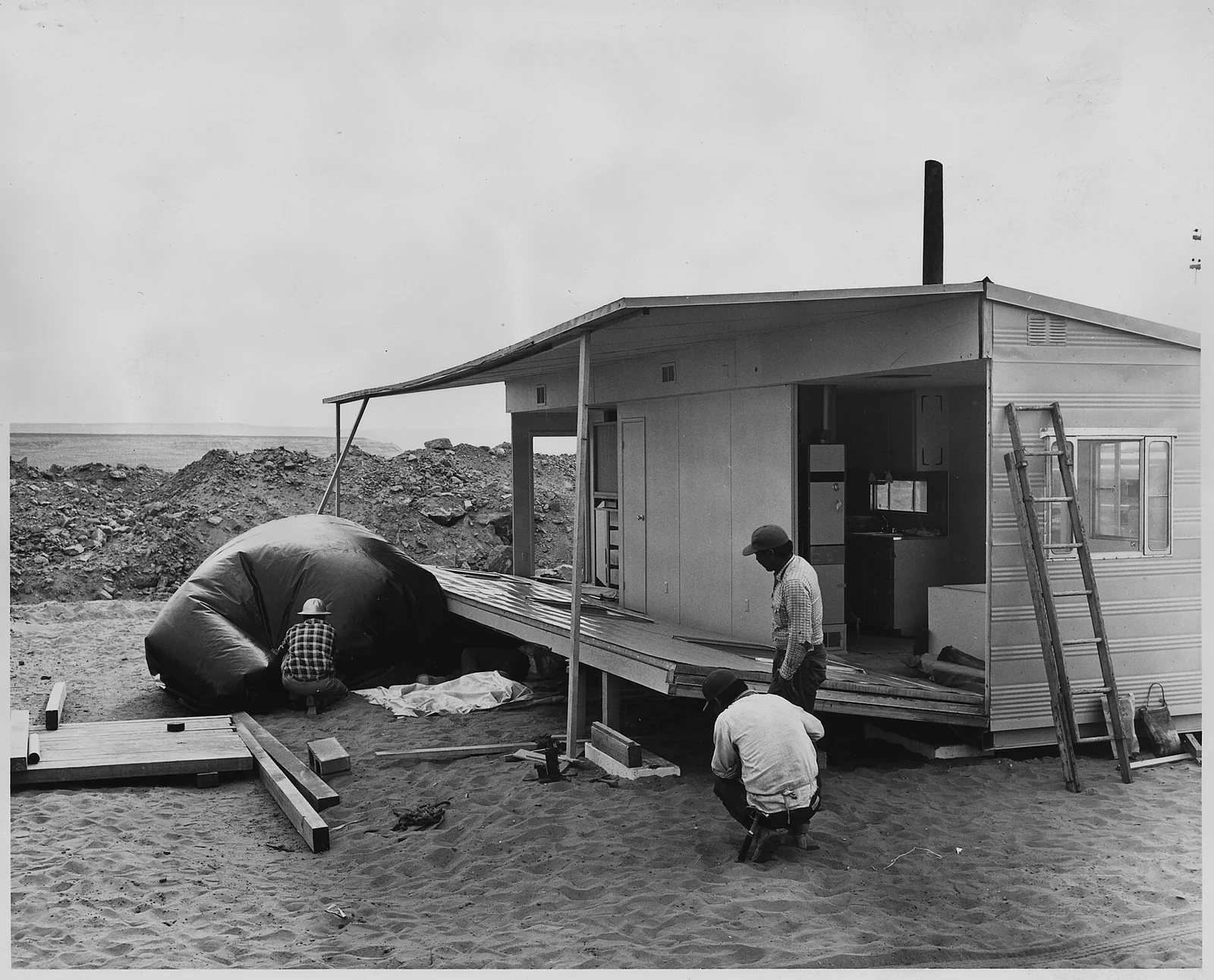
Jordan starts by clarifying terms because mobile homes and manufactured homes are labeled inconsistently in listings. In many markets, “mobile home” is used casually for homes built both before and after the HUD Code took effect in 1976, but the build era strongly affects budgeting and mortgage planning, insurance for manufactured homes, and how strict manufactured home communities may be about approvals.
They create a quick screening rule for their residential property research: if the home is pre-1976, they assume fewer financing paths and higher uncertainty, and they only proceed if the deal is exceptional and inspection access is straightforward for their first home viewing checklist.
| Category | What to verify | Why it changes the decision |
|---|---|---|
| Build era | Year built; HUD data plate; serial/VIN | Impacts lending, insurance, and buyer pool at resale |
| Foundation/setup | Anchoring, skirting, piers, tie-downs; permits | Affects safety, insurability, and repair costs |
| Energy performance | Windows, insulation, HVAC age and service history | Drives monthly utilities and comfort year-round |
| Title vs. real property | How ownership is recorded locally | Changes closing process and financing options |
Practical takeaway: ask for documentation early as part of your decision-making checklists. If a seller or manufactured home community can’t provide basics like year built and setup details, treat it as a risk premium in your property comparison guide, not a minor inconvenience.
Community-first planning: rules, fees, and lifestyle fit
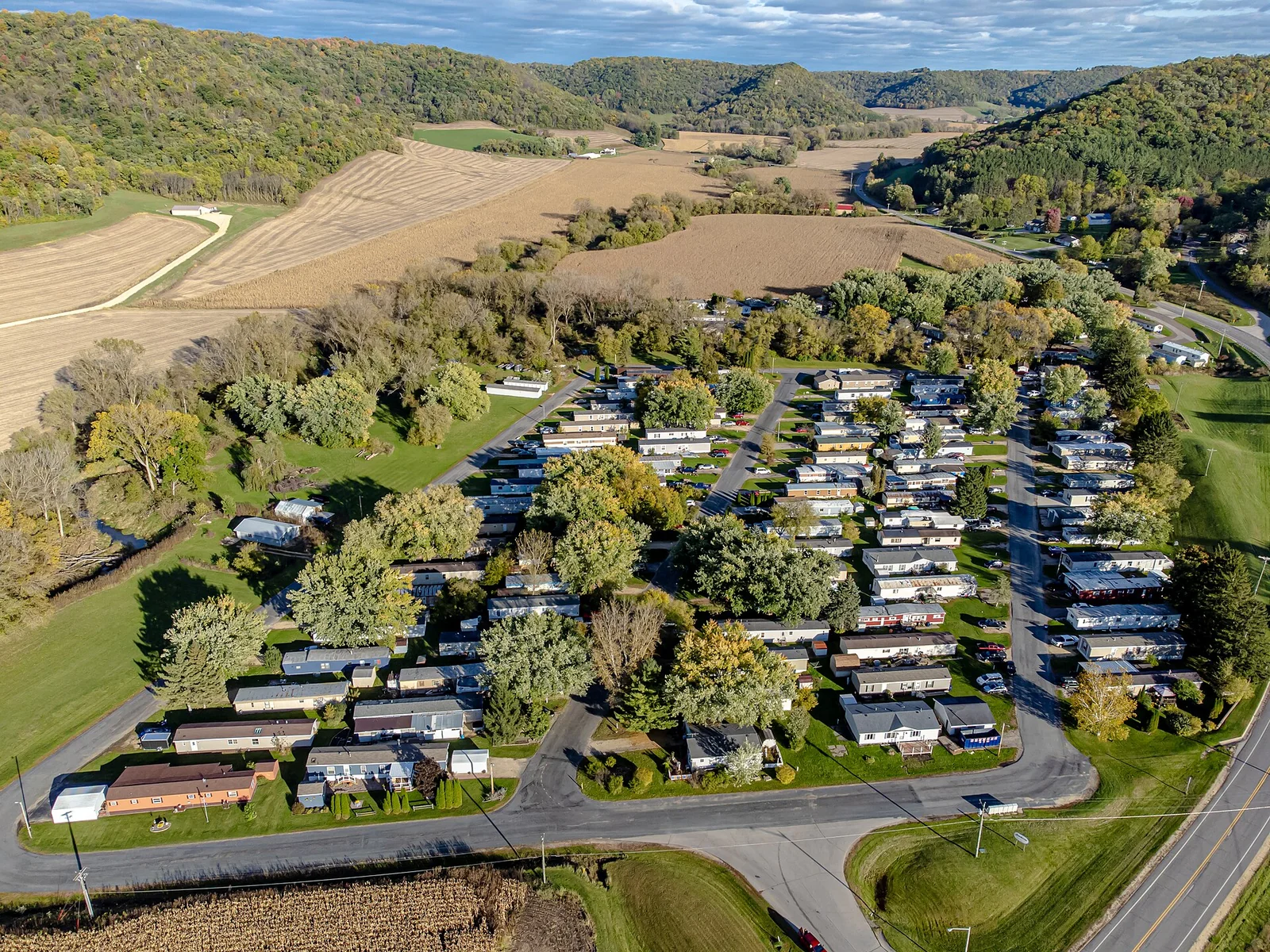
Next, they evaluate manufactured home communities as if they were “co-buying” the neighborhood, because community rules and regulations can shape daily life and resale. A community can be a great fit for one household and a deal-breaker for another, so Jordan and Casey build buyer resources around four items that often surprise first-time buyers:
1) Site fees and what they include. Some communities bundle water, sewer, trash, or lawn care; others charge separately. Two communities with the same lot rent and site fees can have very different total monthly housing cost once utilities are added.
2) Rent increases and transparency. They request the last three years of lot rent and site fees increases and ask how notices are delivered and when renewals occur, because predictable increases matter to budgeting and mortgage planning.
3) Approval and resale rules. Some manufactured home communities require buyers to meet income or credit standards, and some restrict rentals or subletting. These community rules and regulations affect future resale speed and should be captured in seller resources as well as buyer resources.
4) Maintenance responsibilities. Who maintains roads, streetlights, and common areas? What happens after storms? The answers affect maintenance and upkeep planning and can change your all-in cost even when the home price stays the same.
Key insight: a community’s policies can determine your exit options as much as your entry price, so treat community review like a core part of your home planning checklist.
Cost modeling: turning “monthly payment” into an all-in number
To avoid guessing, they build a simple property comparison guide for total monthly housing cost across mobile homes and manufactured homes. They don’t need perfect precision; they need a fair comparison using the same categories for each option so their decision-making checklists don’t miss recurring costs.
Home payment (or opportunity cost if paying cash)
Site fee
Utilities (electric, gas/propane, water/sewer if not included)
Insurance
Property taxes or registration (varies by location and title type)
Maintenance reserve (a monthly amount set aside)
One-time costs spread over time (setup fixes, appliance replacement)
They compare two homes they toured using their first home viewing checklist and residential property research notes:
Home 1: 2016 manufactured home in a well-kept community near work, higher purchase price, lower expected repairs and clearer community rules and regulations.
Home 2: 1993 home farther away, lower purchase price, visible wear, and an HVAC system near end-of-life—raising maintenance and upkeep planning needs and potentially affecting insurance for manufactured homes.
| Monthly category | Home 1 (newer, closer) | Home 2 (older, cheaper) |
|---|---|---|
| Home payment | $1,050 | $720 |
| Site fee | $720 | $610 |
| Utilities (avg.) | $210 | $320 |
| Insurance | $110 | $135 |
| Taxes/registration | $55 | $45 |
| Maintenance reserve | $120 | $220 |
| Estimated all-in monthly | $2,265 | $2,050 |
At first glance, Home 2 still looks cheaper by about $215/month in total monthly housing cost. But they add two reality checks to their home planning checklist so the comparison reflects real life in manufactured home communities:
Commute cost and time. The farther community adds fuel and wear, plus time that affects quality of life; they treat it like a recurring line item in their property comparison guide.
Near-term replacements. If the HVAC fails, they don’t want to rely on credit cards, so they estimate a replacement cost and “amortize” it into the first three years as part of maintenance and upkeep planning.
After these adjustments, Home 2’s advantage shrinks. The cheaper purchase price is real, but so is the risk of unpredictable spending—exactly what their budgeting and mortgage planning process is designed to surface.
Decision points: inspections, negotiation, and resale thinking
With the short list narrowed, they focus on what can change the outcome quickly in manufactured homes: home inspection questions, community approval, and resale constraints tied to community rules and regulations.
Inspection approach that fits manufactured housing
They hire an inspector familiar with manufactured homes and use targeted home inspection questions: subfloor moisture, tie-down condition, roof penetrations, HVAC performance, electrical panel safety, and evidence of prior water intrusion around windows and bathrooms. They also confirm that any additions (decks, carports, sheds) appear permitted or at least accepted under the manufactured home community’s rules and regulations.
Practical takeaway: don’t treat a manufactured home inspection like a generic checklist. Setup, anchoring, and moisture management belong on a manufactured-home-specific home planning checklist because they can determine insurability and long-term maintenance costs.
Negotiation that protects the budget
Jordan and Casey decide in advance what they will negotiate and what they will walk away from, using decision-making checklists that prioritize safety, insurability, and near-term cash flow. Cosmetic updates are optional; a failing roof is not, especially when insurance for manufactured homes may require proof of condition.
They also ask the manufactured home community for written confirmation of key policies—pet limits, parking rules, guest stay limits, and the process for lot rent and site fees increases—because buyer resources and seller resources both depend on what can be verified. If anything is “verbal only,” they treat it as uncertain in their residential property research notes.
Resale outlook: the exit plan before the entry
Because their jobs could change, they think about resale now as part of home planning. They ask: How many homes sell in this manufactured home community each year? How long do listings typically sit? Are buyers commonly financed, or mostly cash? A community with strict buyer approvals can protect standards, but it can also reduce the buyer pool when you need to sell quickly—an important seller resources consideration.
Key insight: a strong resale plan is part of home planning, not something you figure out later, and it belongs in the same property comparison guide as lot rent and site fees and total monthly housing cost.
In the end, they choose Home 1. It isn’t the cheapest on paper, but it is the most predictable for their budgeting and mortgage planning: fewer near-term repairs, a shorter commute, and clearer community rules and regulations. Their final lesson is simple: compare manufactured homes and mobile homes the way you’ll live in them—month after month—using a consistent home planning checklist rather than judging by listing-day impressions.